In the heart of Athens’ historic Museum neighbourhood, archaeologists have uncovered more than 100 ancient wells, shedding new light on the city’s water infrastructure across the centuries.
These wells, dating to various historical periods, served as the primary source of water for local residents. Remarkably well-preserved, many featured clay linings with oval indentations — designed as handholds and footholds — to assist in their construction and maintenance. At the surface, the well mouths were surrounded by protective clay or stone wellheads, from which water was drawn using wooden pulley systems fixed into specially carved sockets.


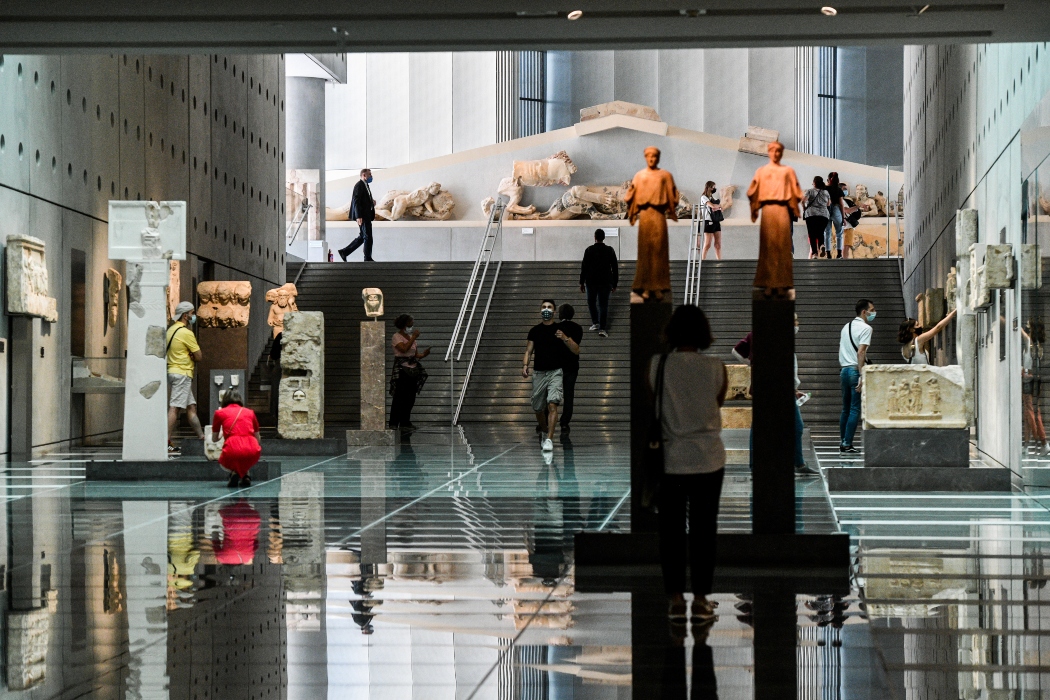
This significant find is part of the Acropolis Museum’s new interpretive program, “Aquatic Routes: Water from Nature to Myth and the Polis.” Led by a museum archaeologist, the gallery talk invites visitors to explore the role of water in ancient Greek life — from practical uses to its symbolic and healing associations.

Through carefully selected artifacts on display in both the museum’s main galleries and its excavation site, the program offers a unique perspective on how water shaped ancient society, urban planning, and spiritual beliefs.
🔗 For more information and to book your visit: Acropolis Museum – Aquatic Routes
Source: greek city times
-
Greece Named Best European Destination at the 2025 Telegraph Travel Awards
-
Athens and Rome Urge Brussels to Act on Libya Crisis
-
Papastavrou: The hydrocarbon exploration plan and timeline are being followed–Greece has the prerequisites
-
Michael Jordan leaves a generous €10,000 tip at a restaurant in Vouliagmeni
-
EU Adopts Amendments to Protect Greek Minority in Albania, Sparking Controversy
-
Greece Vows to Block New Migration Route, Says Greek PM Mitsotakis