


GREECE UNDER SIEGE: Middle East Tensions Ignite Fuel, Power & Food Price Shock
 ΧΡΟΝΟΣ ΑΝΑΓΝΩΣΗΣ 3 '

Notice: Undefined variable: ad_code in /var/www/vhosts/stage.pagenews.gr/httpdocs/wp-content/themes/pagenews_vw/functions.php on line 120
GEOPOLITICS HITS THE GREEK HOUSEHOLD
The escalating crisis in the Middle East — particularly tensions involving Iran and the Strait of Hormuz — is no distant conflict for Greece. Nearly 20% of global oil supply passes through this strategic chokepoint. Any disruption instantly reverberates across global energy markets.
For a country heavily dependent on imported energy, Greece is acutely exposed. A spike in Brent crude translates directly into higher fuel prices, rising electricity costs, and mounting pressure on food supply chains.
INFLATION RISKS RESURFACE
International analysts warn that if oil prices remain above $100 per barrel for more than 20–30 days, a renewed inflationary cycle could take hold across Europe.
The European Central Bank has already cautioned that a prolonged Middle East conflict could derail the eurozone’s disinflation path. For Greece, where energy costs quickly filter into transportation and consumer goods, the impact could be immediate and visible.
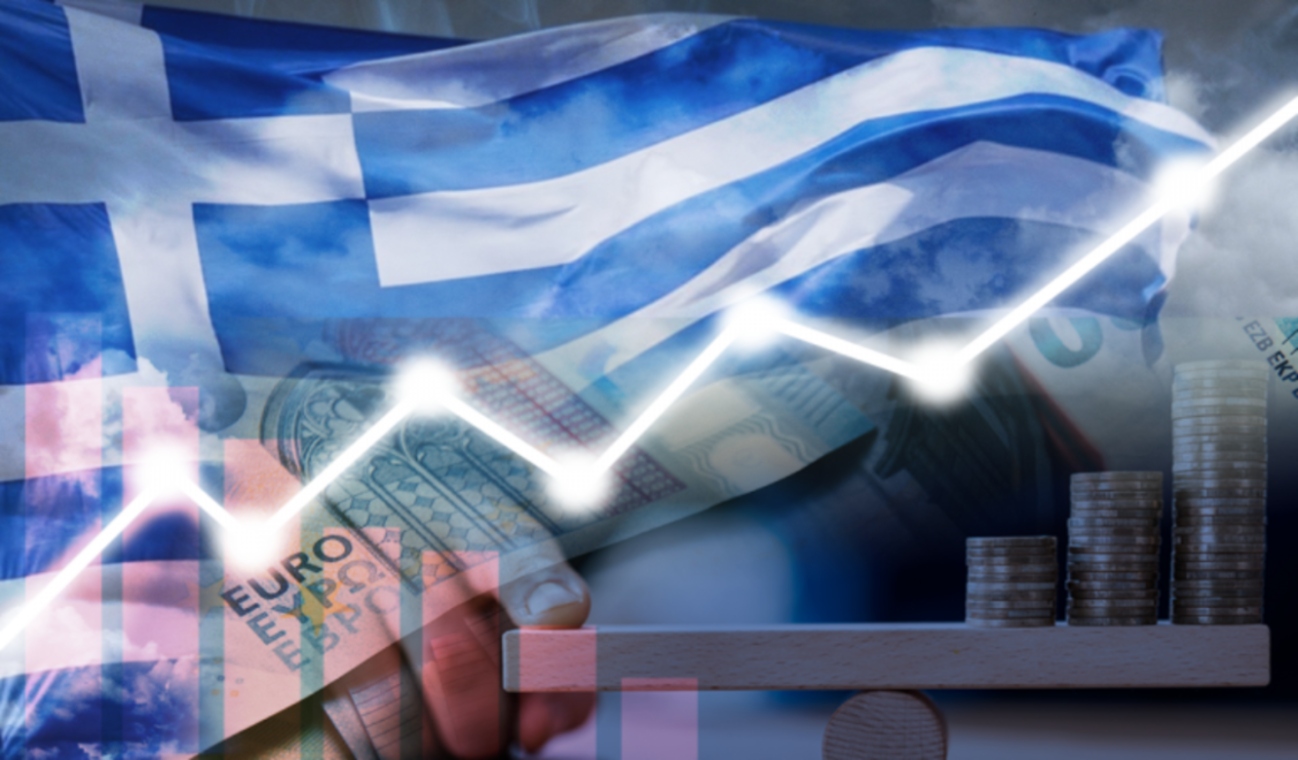
Potential consequences include:
- Higher gasoline and heating oil prices
- Increased wholesale electricity costs
- Rising food production and logistics expenses
- Pressure on tourism and transport sectors
THREE MEASURES “IN THE DRAWER”
According to reporting by Insider.gr, Greece’s economic team is preparing three contingency interventions should the crisis persist:
- Fuel Pass – Targeted fuel subsidies for vulnerable households.
- Electricity Bill Support – Temporary state intervention in power tariffs.
- Food Pass / Cost-of-Living Allowance – Direct support for essential goods.
Activation depends on both the duration of elevated energy prices and Greece’s fiscal capacity.
A DELICATE FISCAL BALANCE
Greece has regained investment-grade status, yet its fiscal room for maneuver remains constrained. Policymakers face a dual challenge:
- Shield households from another cost-of-living shock
- Preserve fiscal credibility and avoid destabilizing public finances
A prolonged energy spike could:
- Slow economic growth
- Delay interest rate cuts
- Reignite social pressures
THE CRITICAL VARIABLE: DURATION
The key question is not simply whether prices will rise — but how long geopolitical instability will persist.
Global markets have proven highly sensitive to Middle East disruptions. Greece, as a small open economy embedded in European energy and trade systems, cannot remain insulated.
The Strait of Hormuz may lie thousands of miles away — but the fuel pump, the electricity bill, and the supermarket shelf are much closer.
Source: pagenews.gr
Διαβάστε όλες τις τελευταίες Ειδήσεις από την Ελλάδα και τον Κόσμο
-
Greece Under France’s Nuclear Umbrella – Macron’s Bold Defense Gamble Shakes Europe
-
Markets in Nervous Breakdown: Bank Plunge, Rally in Motor Oil & Helleniq
-
Greece Deploys Naval and Air Forces to Cyprus Amid Regional Tensions
-
10 Greek-Flagged Tankers “Trapped” in Persian Gulf — 85 Seafarers in Limbo
-
Mitsotakis in the Middle East: Crisis Video Call and Emergency Lines for Greek Citizens
-
Adonis Georgiadis: “I Am Proud – We Stand With Israel Without Ambiguity”











Το σχόλιο σας