


Higher Ferry Ticket Prices – How the Middle East Crisis Pushes Costs Up
 ΧΡΟΝΟΣ ΑΝΑΓΝΩΣΗΣ 2 '

Notice: Undefined variable: ad_code in /var/www/vhosts/stage.pagenews.gr/httpdocs/wp-content/themes/pagenews_vw/functions.php on line 120
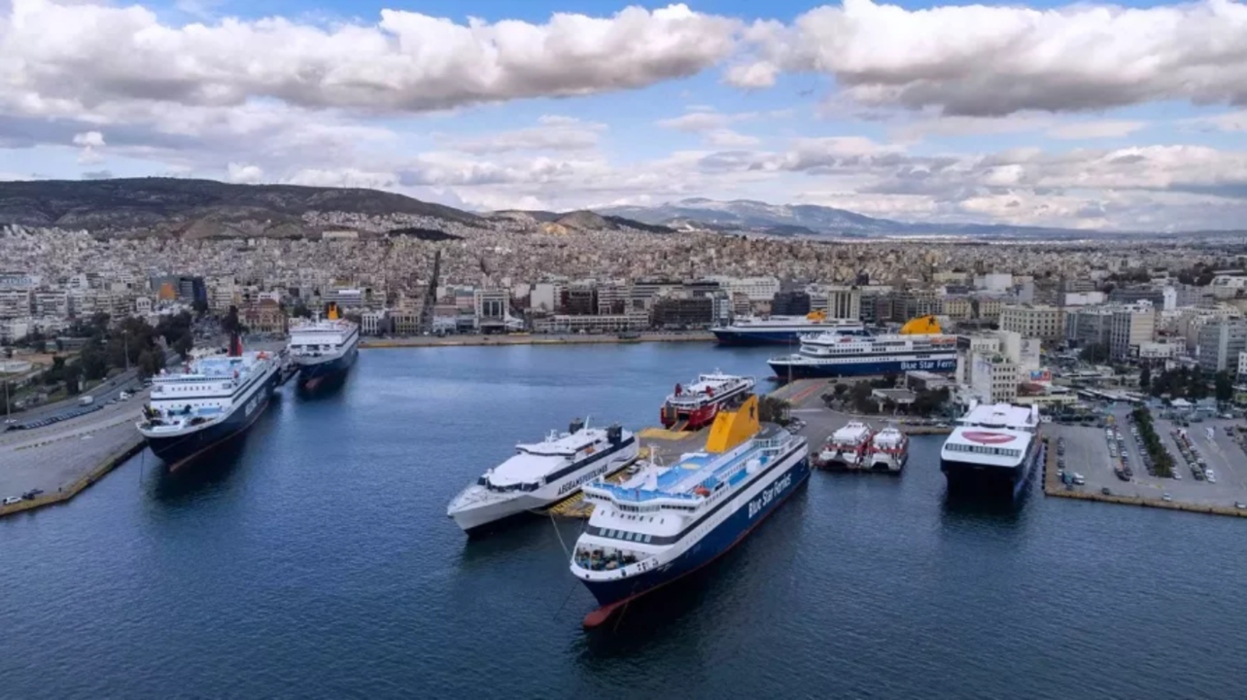
Greek ferry services are facing significant cost pressures that, if sustained, will force companies to raise ferry ticket prices for passengers and vehicle transport. According to Newmoney, the surge in maritime fuel prices is a direct result of geopolitical unrest in the Middle East and the global spike in energy costs.
- Core issue: Fuel costs for ferries (Marine Gas Oil – MGO) account for approximately 50% of a ship’s total operating expenses. Within a few months, MGO prices jumped from €528 per ton at the end of 2025 to €959 on March 9, 2026 — a 50% increase — due to global market disruptions and geopolitical tensions in the Middle East.
- Economic impact: The fuel cost surge adds roughly €14 million per month in expenses for ferry companies. Industry sources estimate that ticket prices could rise by around 25% as a surcharge to balance operating costs.
- Government response: The Greek government, through the Ministry of Shipping & Island Policy, is monitoring fuel markets and in discussions with ferry operators to mitigate passenger cost increases. Potential measures include reducing port fees and using funds from European and national energy transition programs.
- Wider context: This development is closely linked to the global energy crisis, exacerbated by tensions in the Middle East — including disruptions to critical oil routes like the Strait of Hormuz — which have driven fuel prices up worldwide, affecting airline and road transportation costs as well.
Rising ferry ticket prices are not an isolated phenomenon, but rather a result of broader geopolitical and economic crises affecting energy costs, with direct consequences on tourism, transportation, and the cost of living — especially in countries like Greece, where ferry services are a critical part of infrastructure.
Source: pagenews.gr
-
Nuclear shift from Paris: Mitsotakis opens debate on reactors as Europe seeks energy independence
-
Greece Pushes Back Amnesty International:Return Hubs Are Necessary-A Political Divide Over Migration Policy
-
Energy Shock Warning in Europe: “We Have the Tools — But Not Yet the Trigger,” Says Eurogroup Chief
-
Cyprus Between Energy and Geopolitics: From Institutional Weakness to Strategic Autonomy
-
Gas Crisis Hits Europe: Revythousa at 78.7%, EU Below 30% – Geopolitical Shockwaves
-
Eurogroup on High Alert – Energy Crisis Shakes Economies & Politics in Europe

















Το σχόλιο σας