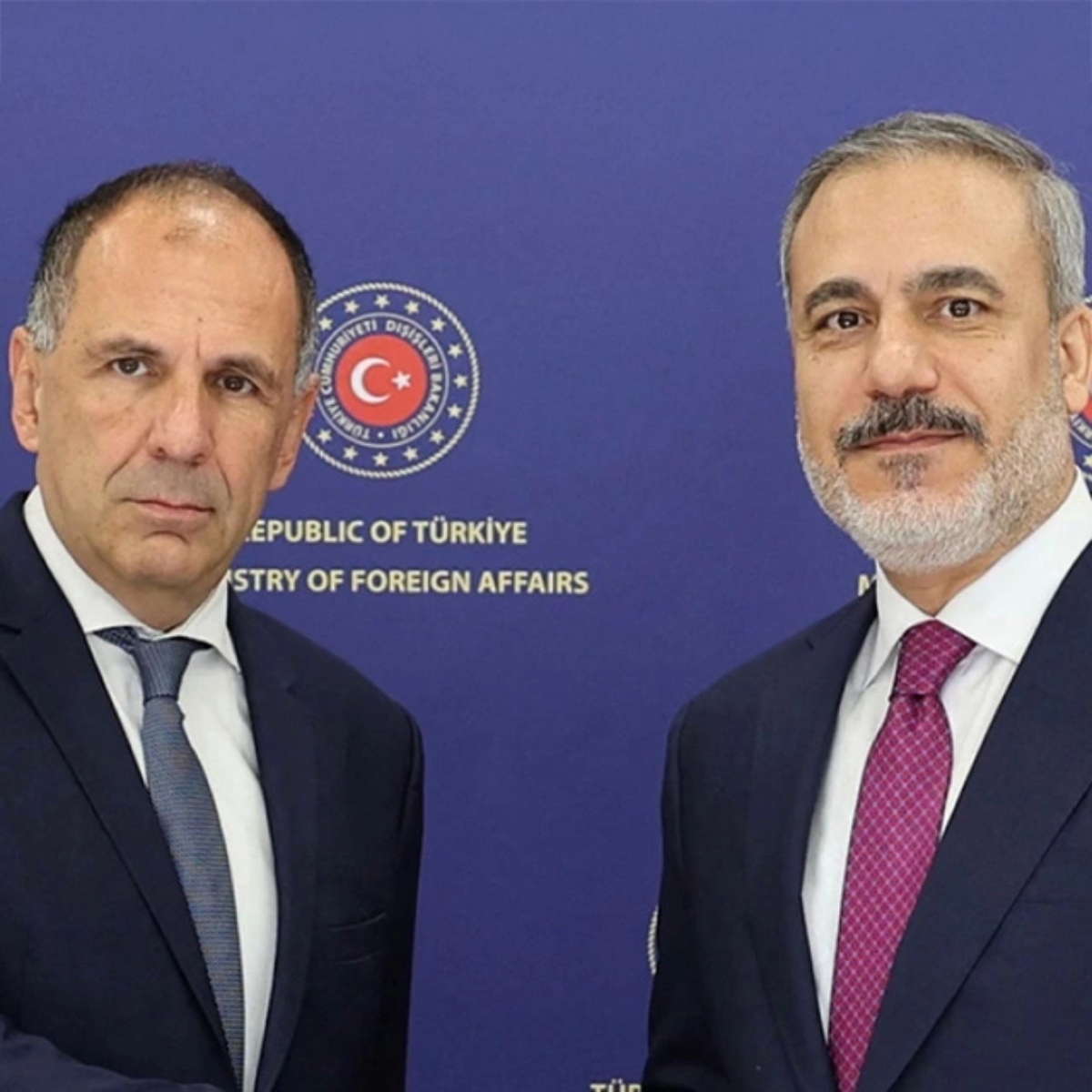
Clear message from Athens
A sharp response came from the Greek Ministry of Foreign Affairs following remarks by Turkish Foreign Minister Hakan Fidan, who claimed that cooperation between Greece, Cyprus, and Israel “creates problems and war.”
Athens responded in firm terms, stressing:
“Greece does not accept instructions, nor does it owe explanations to anyone regarding its foreign policy.”
Greece’s position
In its official statement, the Greek Ministry of Foreign Affairs emphasized that the country:
- Is a member of the European Union and NATO
- Has consistently worked for regional stability and peace
- Conducts an independent foreign policy
It also underlined that:
- Bilateral cooperation with Israel
- As well as the trilateral framework with the Republic of Cyprus
are strictly peaceful in nature and not directed against any third party.
Ankara’s criticism
Hakan Fidan argued that these regional partnerships fuel tensions and risk escalating conflict, reiterating Turkey’s long-standing objections to emerging geopolitical and energy alliances in the Eastern Mediterranean.
His comments reflect Ankara’s broader concerns over shifting power balances in the region.
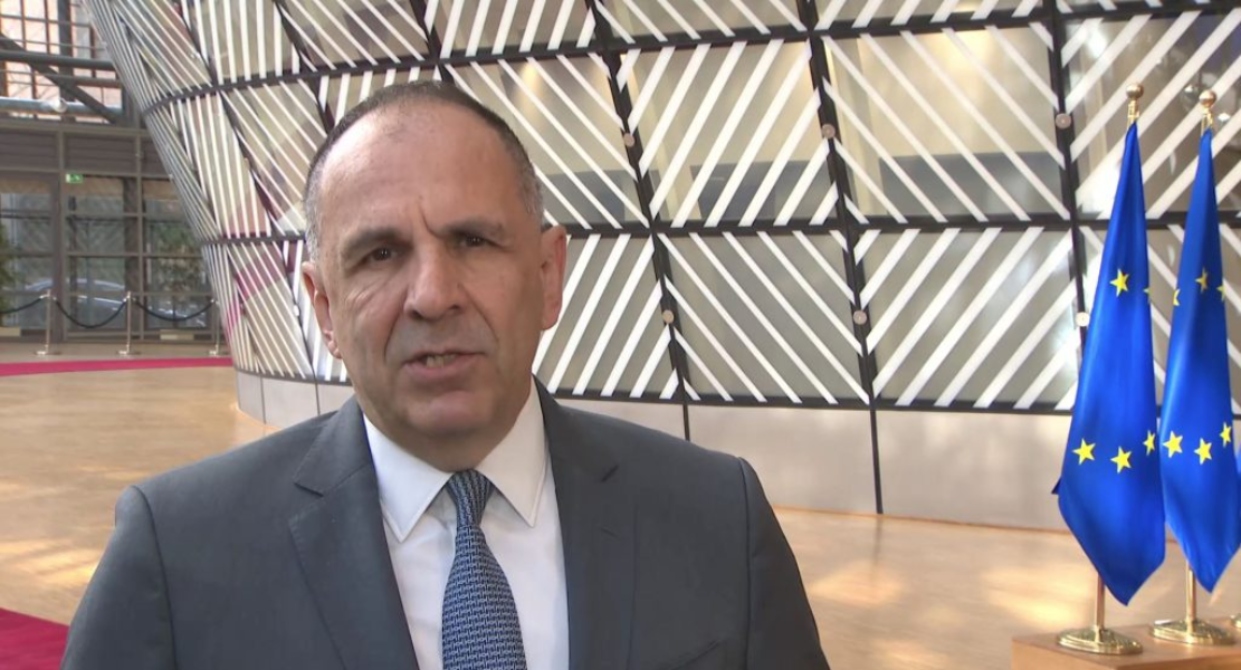

Analysis: Assertion of autonomy
Athens’ response carries multiple strategic signals:
- Sovereignty message: Greece asserts full control over its foreign policy
- Deterrence tone: It rejects external pressure or criticism
- Diplomatic calibration: Firm language without escalating into direct confrontation
The reference to “distortion of reality” also signals frustration with Ankara’s narrative.
Broader context
The exchange comes at a sensitive geopolitical moment:
- Rising tensions across the Middle East
- Increasing pressure on global energy routes
- Strategic realignments in the Eastern Mediterranean
Within this environment, trilateral partnerships like Greece–Cyprus–Israel gain heightened importance—explaining the intensity of Turkey’s reaction.
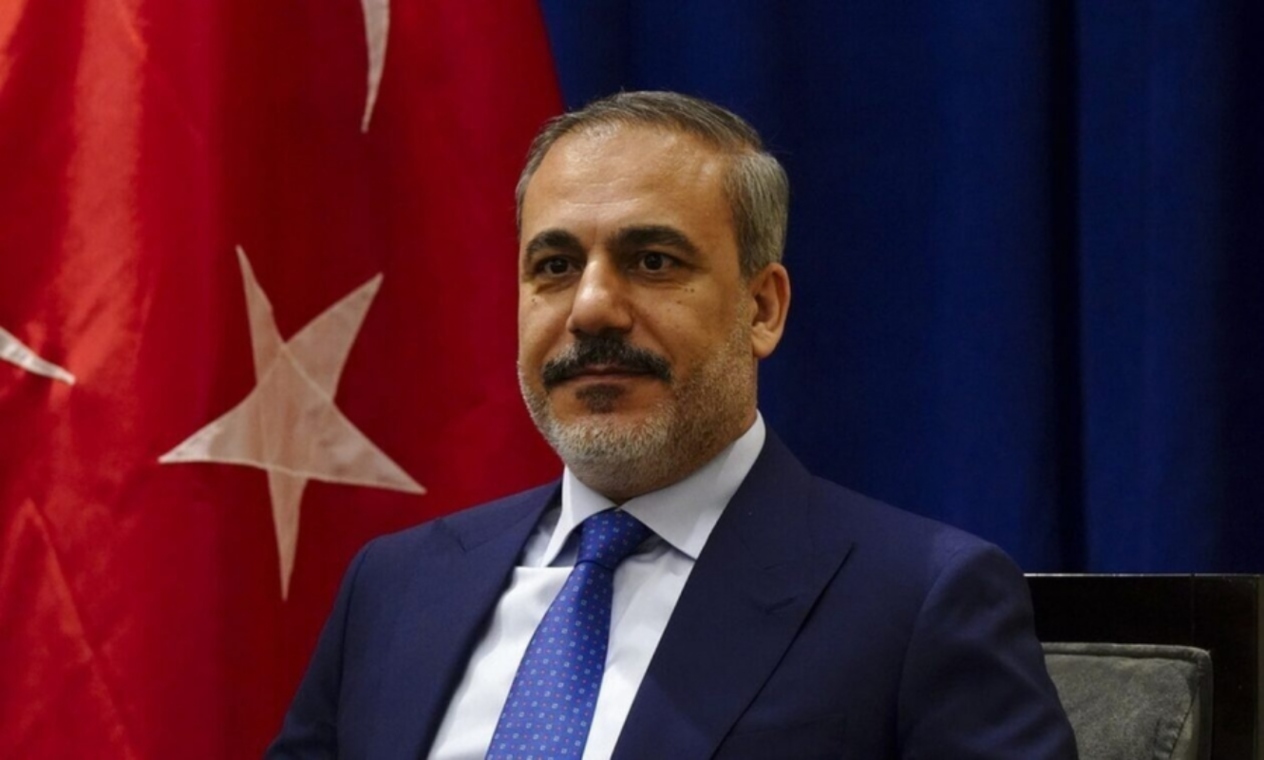

Athens has drawn a clear line: its foreign policy is not subject to external guidance.
While tensions with Ankara remain contained at the level of rhetoric, they reflect deeper geopolitical rivalries that are unlikely to ease in the near future.
Source: pagenews.gr
-
Diplomatic Clash at COP31: Turkey Blocks Cyprus, Sparking EU–UN Tensions
-
Holy Light: From Jerusalem to neighborhoods – Faith, emotion and political undertones
-
From Social Media to Gaming and Gambling: the “Next Chapter” in the Battle for Digital Control
-
From Crisis to Powerhouse: Greece Reclaims Its Place at Europe’s Economic Core
-
Easter in Harmony: Annual Easter Concert at Megaron Athens Concert Hall
-
Greece Sees First Step Toward Energy De‑escalation Amid Middle East Ceasefire