


Mitsotakis to Rama: Greece backs Albania—but on strict geopolitical terms
 ΧΡΟΝΟΣ ΑΝΑΓΝΩΣΗΣ 3 '

Notice: Undefined variable: ad_code in /var/www/vhosts/stage.pagenews.gr/httpdocs/wp-content/themes/pagenews_vw/functions.php on line 120
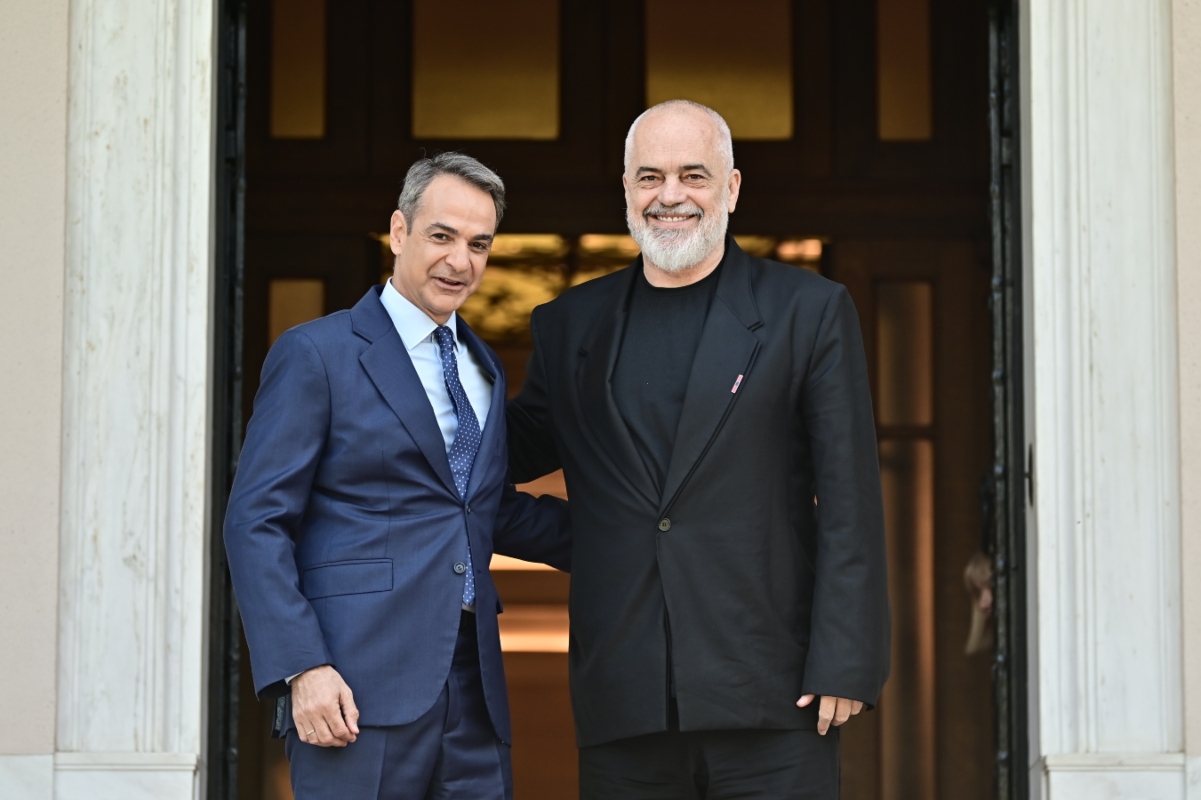
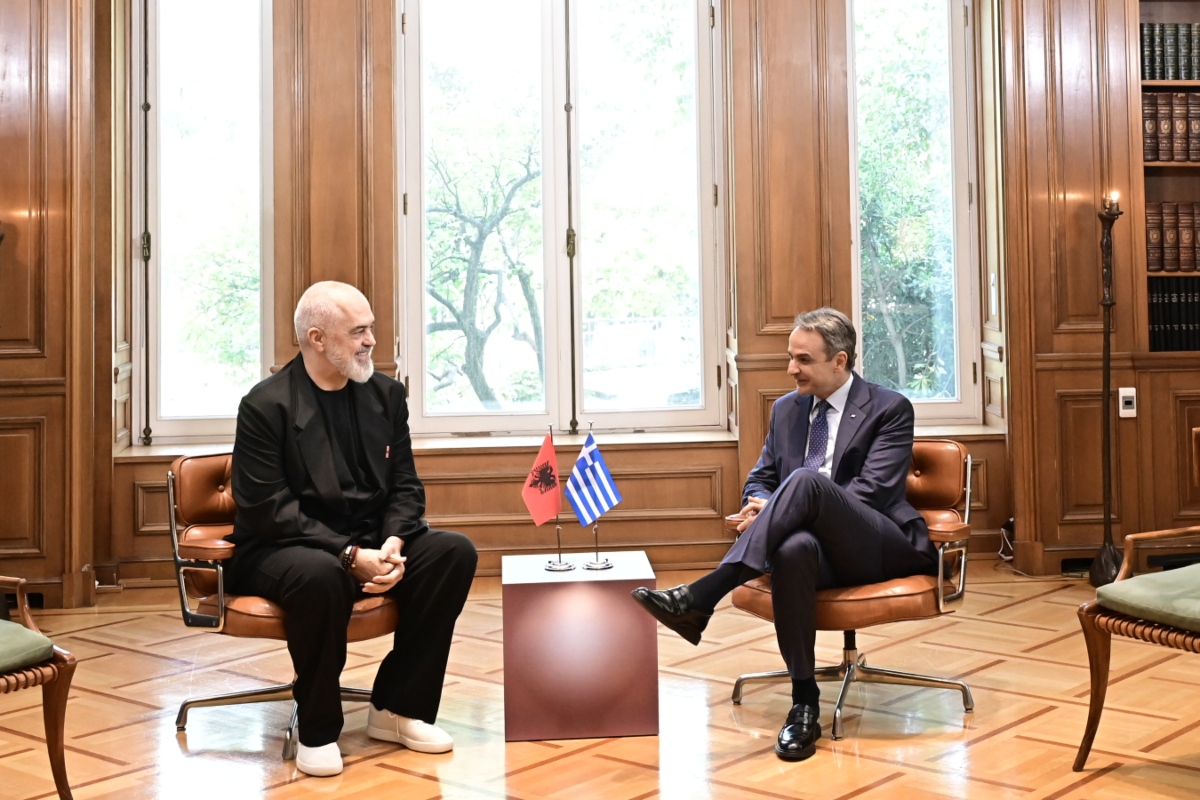
At a time when the Western Balkans are вновь emerging as a geopolitical battleground, the meeting between Greek Prime Minister Kyriakos Mitsotakis and Albanian Prime Minister Edi Rama sends a clear and calculated message: Greece supports Albania’s European future—but not without conditions.
A CONDITIONAL GREEN LIGHT FROM ATHENS
Mitsotakis reaffirmed Greece’s long-standing position:
“Greece firmly supports Albania’s European perspective.”
Yet, this support comes with a framework of expectations:
- Full alignment with EU law and standards
- Respect for the rule of law
- Protection of the Greek national minority
- Progress on unresolved bilateral issues (maritime zones, property rights)
This reflects a strategic dual-track policy: encouragement of EU enlargement, combined with safeguarding national interests.
TIMING THAT MATTERS
The meeting comes at a crucial geopolitical juncture:
- The Western Balkans are again a zone of influence competition (EU, Russia, China)
- Energy corridors and regional stability are high on the European agenda
- Enlargement policy is being revisited amid shifting global alliances
Athens is positioning itself not just as a neighbor—but as a regional stabilizer and gatekeeper.
WHY ALBANIA MATTERS GEOPOLITICALLY
For Greece, Albania is more than a bilateral partner:
- A gateway to the Western Balkans
- A strategic player in the Adriatic region
- A key link in Europe’s southeastern architecture
Supporting Albania’s EU accession serves multiple goals:
- Anchors the country firmly in the Western sphere
- Limits external (non-EU) geopolitical influence
- Creates institutional pathways to resolve disputes
THE UNRESOLVED ISSUES
Despite the positive tone, tensions remain:
- Maritime border delimitation (EEZ)
- Rights of the Greek minority in Albania
- Periodic political frictions and rhetoric
These issues act as leverage points in Greece’s broader diplomatic approach.
ATHENS’ STRATEGY: SUPPORT + PRESSURE
Mitsotakis’ policy can be distilled into three pillars:
- Support for EU integration
- Diplomatic pressure on sensitive issues
- Integration of the region into Western security structures
It is a balancing act between cooperation and realism—a classic geopolitical playbook adapted to Balkan realities.
The Mitsotakis–Rama meeting is far more than a routine diplomatic exchange. It is part of a broader effort by Greece to:
- Shape the future of EU enlargement
- Reinforce its leadership role in the Balkans
- Secure long-term regional stability
The message is unmistakable: Greece stands ready to support—but on its own strategic terms.
Source: pagenews.gr
Διαβάστε όλες τις τελευταίες Ειδήσεις από την Ελλάδα και τον Κόσμο
-
EU unveils “AccelerateEU” energy plan amid Middle East crisis and global fuel shock
-
Record €12.1bn primary surplus sparks €500m relief package amid fiscal overperformance
-
Mitsotakis unveils 8-point relief package: subsidies, payouts & debt relief measures
-
Hot pressure in short-term rentals: Prices up, demand down in Greece’s “Airbnb” market
-
Greece Tax Crackdown: Millions Hidden in Fake Invoices, Online Sales & Offshore Income
-
Greece tourism revenues surge 70.7%: Europe leads, US demand slows











Το σχόλιο σας