


Athens on a Tightrope: “No Prior Deal with Israel Over Gaza Flotilla”
 ΧΡΟΝΟΣ ΑΝΑΓΝΩΣΗΣ 5 '

Notice: Undefined variable: ad_code in /var/www/vhosts/stage.pagenews.gr/httpdocs/wp-content/themes/pagenews_vw/functions.php on line 120
As the Middle East sinks deeper into instability, the Greek government is attempting to balance its strategic alliance with Israel, humanitarian concerns over Gaza, and its broader role as a stabilizing force in the Eastern Mediterranean.
Athens moved swiftly to deny reports suggesting prior coordination with Israel regarding the Gaza-bound flotilla, amid growing political scrutiny and geopolitical tension surrounding the incident.
The statement from Greece’s Foreign Ministry comes at a highly sensitive moment, with conflicts involving Iran, Gaza, and the Strait of Hormuz increasingly affecting European security, global shipping, and regional diplomacy.
“There Was No Prior Coordination with Israel”
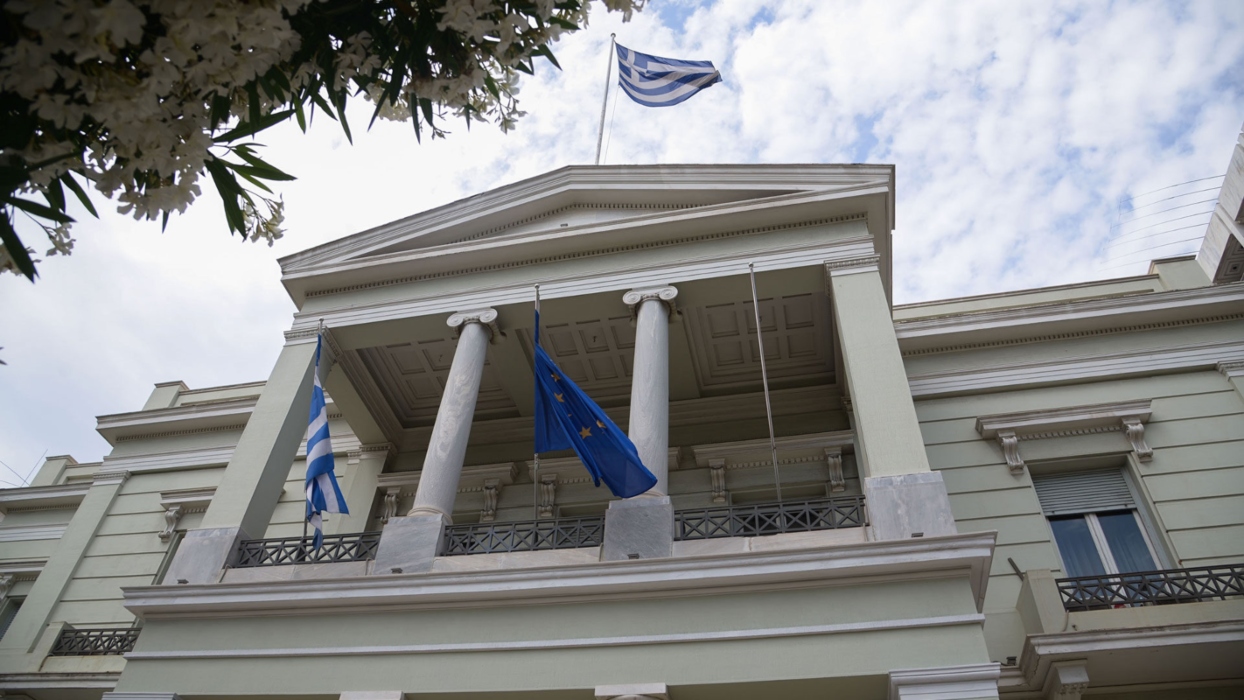
Greek Foreign Ministry spokesperson Lana Zochiou firmly rejected allegations that Greece had been informed in advance or had cooperated with Israel concerning the flotilla operation.
“There was absolutely no prior coordination with Israel regarding the operation,” she stated during the ministry’s regular press briefing.
According to the Greek government, communication with Israeli authorities took place only after the incident and focused exclusively on the safe disembarkation and repatriation of the 176 passengers aboard the vessels.
Athens stressed that its actions were carried out strictly on humanitarian grounds and in accordance with international maritime law.
Greece Positions Itself as a Humanitarian Mediator
Greek authorities facilitated the reception of 176 citizens from EU member states and third countries, organizing their transfer and safe return home.
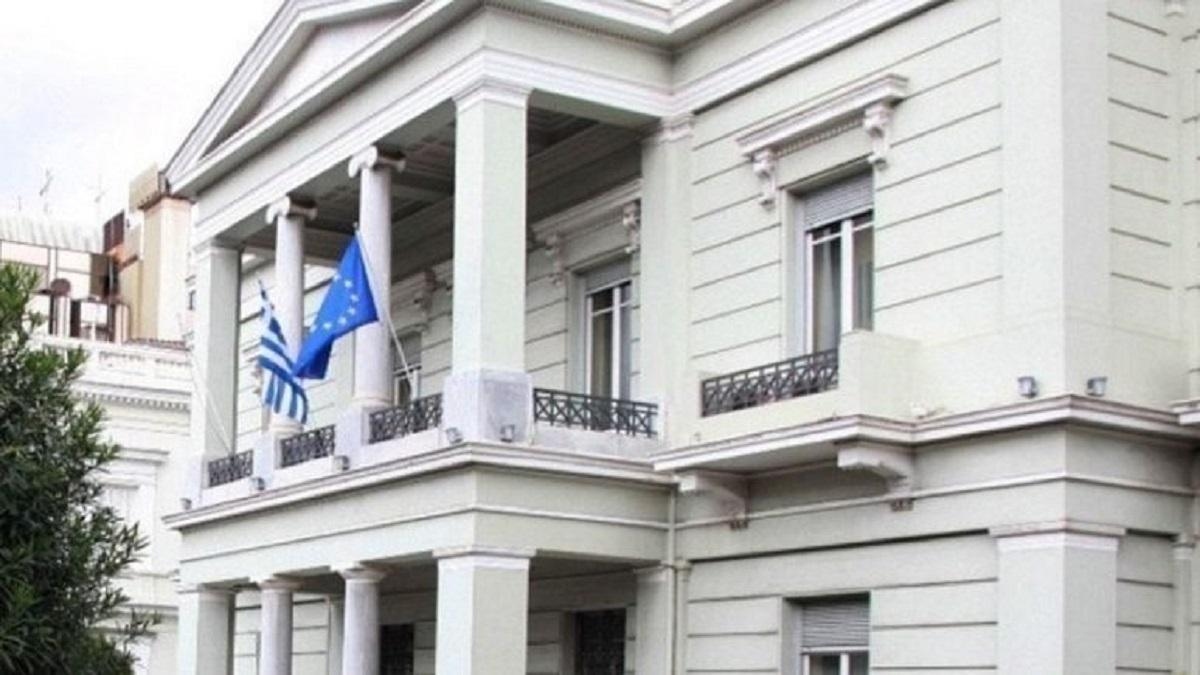
Officials clarified that:
- the Israeli vessel never docked at a Greek port,
- the disembarkation was conducted using Greek Coast Guard assets,
- and Greece’s priority was to avoid escalation in an already explosive regional environment.
“We acted responsibly under extremely difficult conditions to ensure the safety and protection of all passengers,” Zochiou emphasized.
The move reflects Greece’s broader diplomatic strategy of projecting itself as a reliable regional actor capable of maintaining dialogue with all sides during times of crisis.
Middle East Tensions Are Reshaping Greek Strategy
The wars in Gaza and the wider confrontation involving Iran are increasingly influencing Greece’s foreign policy calculations.
Athens also reiterated its support for French and British initiatives aimed at protecting maritime security in the Strait of Hormuz — one of the world’s most critical energy corridors.
“Freedom of navigation remains an absolute priority,” the Foreign Ministry stressed.
Given that Greece controls the world’s largest commercial shipping fleet, officials believe the country is poised to play a significant role in future maritime security operations once hostilities in the region subside.
Trump Visit Speculation and Strategic Talks with Washington
The briefing also fueled speculation over a potential future visit to Greece by former U.S. President Donald Trump.
While Greek officials confirmed there is a positive atmosphere surrounding the idea, they clarified that no official arrangements or formal invitations currently exist.
At the same time, Athens is seeking to advance its strategic dialogue with the United States before the end of the year, amid shifting geopolitical dynamics across the Eastern Mediterranean.
A possible Trump return to the White House is already being viewed in diplomatic circles as a development that could impact:
- Greek-Turkish relations,
- NATO balances,
- energy strategy in the region,
- and U.S. policy toward Iran and Israel.
Eastern Mediterranean Emerging as One Strategic Arc
Greek diplomacy increasingly views the Eastern Mediterranean and the Persian Gulf as part of a single geopolitical security zone.
Athens is strengthening cooperation with:
- Cyprus,
- Jordan,
- Qatar,
- France,
- and Gulf states,
in an effort to build a broader regional framework of stability and security partnerships.
Particular emphasis was placed on the Greek-French defense alliance, which Greek officials described as “visionary” in light of current geopolitical developments.
“Greece and France aim to confront future regional challenges together,” Zochiou noted.
A New Geopolitical Test for Greece
The Gaza flotilla incident highlights the increasingly delicate balancing act facing Greek foreign policy.
On one side, Athens seeks to preserve its strategic ties with Israel and the United States. On the other, it is trying to maintain its international image as a defender of humanitarian principles, international law, and regional stability.
In an increasingly volatile Middle East, every diplomatic move made by Greece now carries strategic weight far beyond its borders.
Source: pagenews.gr
Διαβάστε όλες τις τελευταίες Ειδήσεις από την Ελλάδα και τον Κόσμο
-
Pierrakakis to Reuters: Greece to Repay €6.9 Billion Early in Fresh Debt Reduction Push
-
European Parliament Blocks U.S.–EU Trade Deal as Trump Threatens New Tariff War
-
Greece to Repay €6.9bn Debt Early: Pierrakakis Signals Bold Fiscal Turnaround
-
Mitsotakis from Jordan: “The ongoing crisis poses serious challenges”
-
Politico-Exarchou: Asia as the “game changer” in LNG markets reshaping Europe’s energy order
-
Dendias leaves door open for Greek presence in Hormuz — “measured conditions with allies”















Το σχόλιο σας