


“Beijing 2026: Trump–Xi Summit in the Shadow of Iran and Strategic Fracture”
 ΧΡΟΝΟΣ ΑΝΑΓΝΩΣΗΣ 5 '

Notice: Undefined variable: ad_code in /var/www/vhosts/stage.pagenews.gr/httpdocs/wp-content/themes/pagenews_vw/functions.php on line 120
- The Trump–Xi summit in Beijing (May 13–15) is driven more by risk management than strategic breakthrough
- The Iran war / Middle East energy shock has increased global oil pressure, strengthening China’s negotiating position
- China enters with relative macroeconomic resilience (exports, industrial output), despite structural domestic weaknesses
- The US seeks de-escalation in trade, chips, and supply chains, not full strategic alignment
- Taiwan remains the core red line, with no expectation of compromise
- Rare earths, AI controls, and semiconductor restrictions remain the central tech battlefield
- Any outcome is expected to be incremental (trade/energy deals), not transformative
1. A summit defined by constraint, not breakthrough
The upcoming meeting between Donald Trump (President of the United States) and Xi Jinping (President of China) in Beijing (May 13–15) is widely assessed by diplomatic observers as a stability-management summit rather than a negotiation for strategic realignment.
The agenda is dominated by structural disputes:
- semiconductor export controls
- AI and high-end computing restrictions
- tariffs and trade imbalance
- rare earth supply chains
- Taiwan and Indo-Pacific military posture
Despite high expectations, both sides appear to be aiming for “managed competition” rather than resolution.
As one senior diplomatic assessment framed it:“The objective is to prevent escalation, not to resolve rivalry.”— International strategic commentary (multiple policy briefings, 2026)
2. Iran war shock: the hidden driver of leverage
The ongoing Iran-related conflict and maritime instability in the Middle East has significantly reshaped the negotiation environment.
Energy markets have tightened, shipping insurance costs have risen, and global oil volatility has increased pressure on the US economy.
This has created an indirect but powerful shift:
- China benefits from diversified energy imports and long-term contracts
- The US faces domestic inflation sensitivity linked to energy prices
- Global supply chains remain exposed to Hormuz Strait disruptions
A senior US Treasury official, Scott Bessent, emphasized the need for Chinese involvement in de-escalation efforts:
“China has a role to play in stabilizing energy flows through diplomatic engagement.” — US Treasury remarks (2026 briefing cycle)
This reflects a strategic reality: Washington increasingly relies on Beijing as an indirect stabilizer in Middle Eastern risk management.
3. China’s position: stronger, but structurally fragile
China enters the summit with mixed fundamentals.
On the strength side:
- ~5% quarterly growth momentum
- strong EV, battery, and green tech exports
- persistent trade surplus
- continued diversification away from US dependency
However, structural vulnerabilities remain significant:
- weak domestic consumption
- ongoing property sector stress
- local government debt exposure
- youth unemployment pressure
- industrial overcapacity in select sectors
Industrial data also suggests volatility:
- rising producer prices driven by energy inputs
- temporary production cuts in automotive manufacturing due to inventory imbalances
This creates a dual reality: external strength, internal fragility.
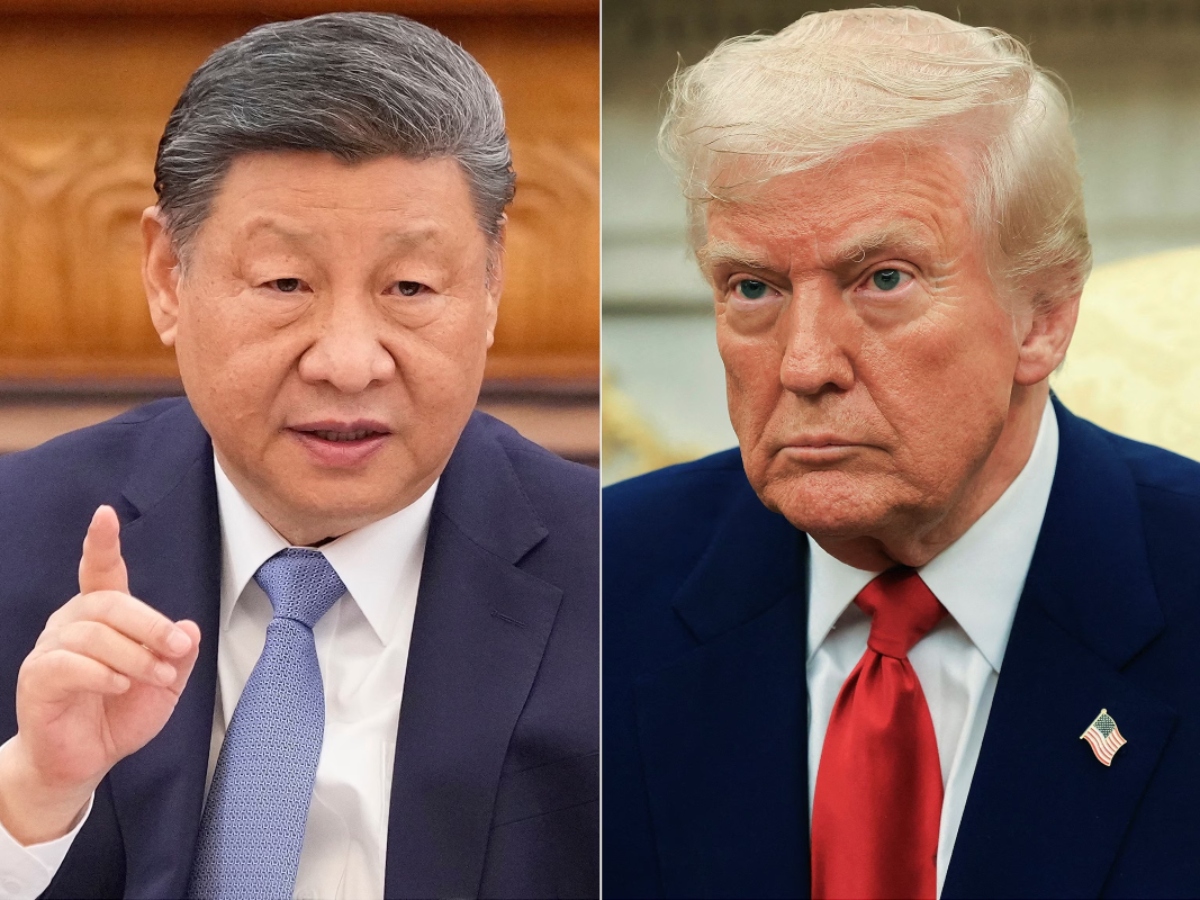
4. Taiwan: the non-negotiable fault line
No issue carries greater strategic sensitivity than Taiwan.
Beijing continues to define Taiwan as:
“the first red line in China–US relations.”
The US maintains strategic ambiguity but continues military and political support for Taipei, reinforcing deterrence in the Indo-Pacific.
Recent developments include:
- renewed cross-strait economic engagement signals from Beijing
- political outreach to Taiwan’s opposition-leaning actors
- continued US defense coordination with regional allies
The result is not convergence, but structured containment of escalation risk.
5. Supply chains, chips, and the technology cold war
The technological dimension remains the most entrenched arena of rivalry.
Key friction points:
- US export controls on advanced semiconductors
- Chinese restrictions on rare earth exports
- AI compute capacity competition
- industrial policy decoupling
Neither side appears willing to retreat.
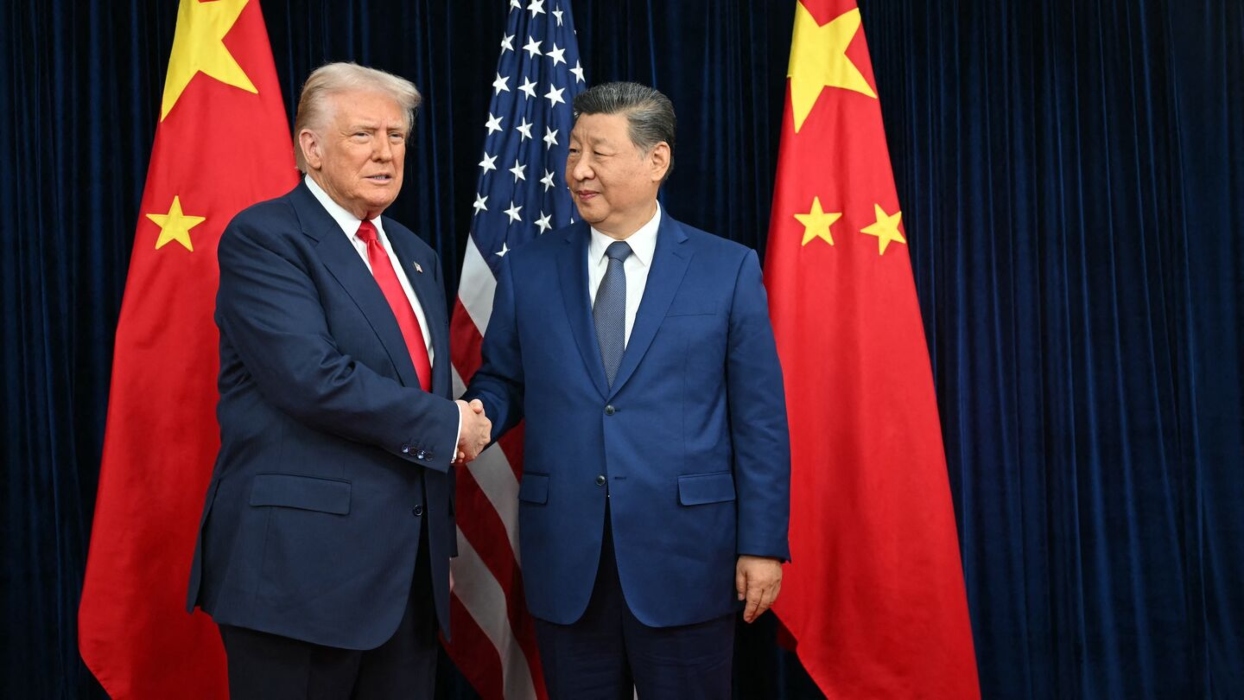
Instead, the emerging model is:
selective interdependence under strategic separation
— cooperation in limited trade flows, competition in critical technologies.
6. Diplomatic preparation: controlled signaling before the summit
Pre-summit diplomacy has focused on reducing volatility rather than resolving disputes.
Key channels include:
- US–China economic coordination meetings
- intermediary political visits (including congressional engagement)
- discussions on Boeing purchases, agricultural imports, and LNG contracts
These are designed to produce tactical stabilizers, not structural agreements.
7. Strategic interpretation: what this summit actually means
Analysts broadly converge on three conclusions:
- No grand bargain is expected
- Economic de-risking will dominate outcomes
- Geopolitical rivalry is now institutionalized
The summit represents a shift from confrontation toward managed systemic competition, where both powers accept long-term rivalry but attempt to avoid uncontrolled escalation.
Source: pagenews.gr
Διαβάστε όλες τις τελευταίες Ειδήσεις από την Ελλάδα και τον Κόσμο
-
Turkey: “Blue Homeland” Dispute, Accusations Against Greece, and New F-35 Tensions with the US
-
“Europe Needs Bigger Banks and Champions” — Pierakakis Pushes for Deep EU Integration with Letta
-
“Big Brother” Tax Watch: Greece’s Tax Authority to Monitor Every Cash Register Transaction Live
-
“Europe Moves Its Borders Outside Europe: Return Hubs Plan Sparks Political Earthquake”
-
“Greece and Cyprus Form Unified Front: Message of Deterrence and EU Awakening”
-
Balkan Acceleration Toward the EU: Greece Pushes for Historic Enlargement Before 2027

















Το σχόλιο σας