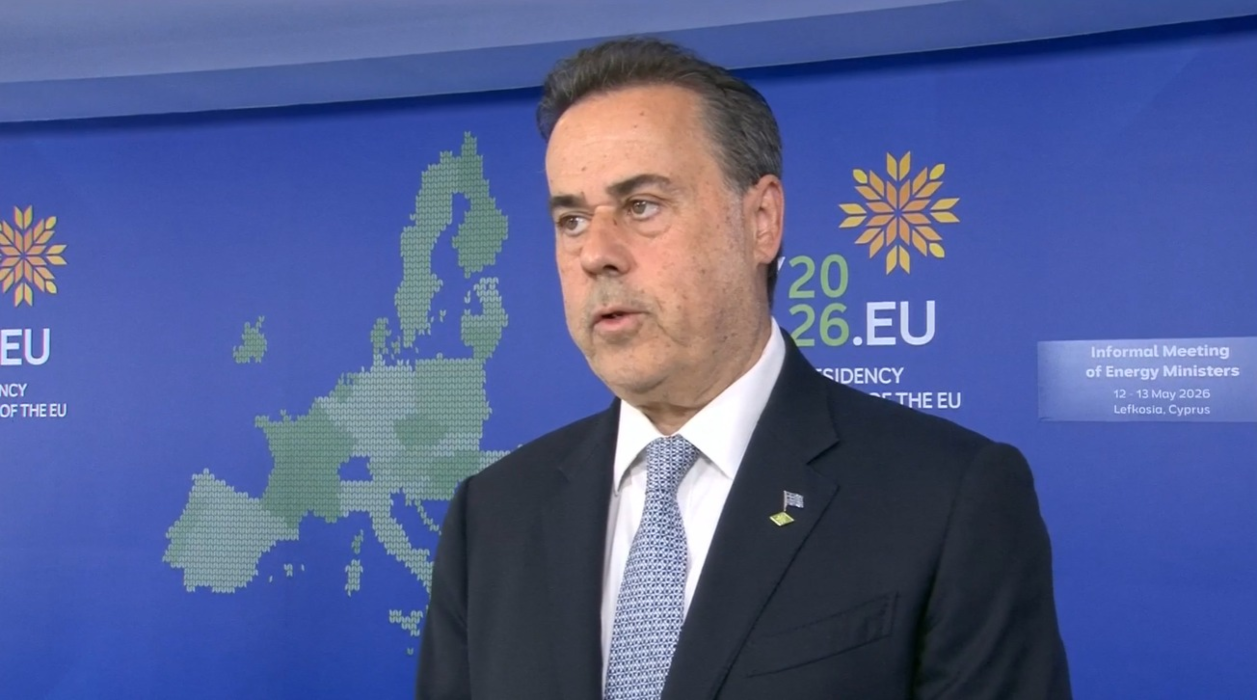
At a critical moment for Europe’s geopolitical stability and energy security, the Greek government is attempting to reposition the country at the center of Europe’s evolving energy strategy, sending a clear message in favor of greater strategic autonomy and a more flexible energy policy.
Speaking from Nicosia during the informal meeting of European Union Energy Ministers, Greek Environment and Energy Minister Stavros Papastavrou stressed the urgent need for “a truly unified European energy market,” directly linking Europe’s energy vulnerabilities to the growing instability in the Middle East.
Together with Deputy Energy Minister Nikos Tsafos, Papastavrou participated in high-level discussions overshadowed by fears of new energy shocks and geopolitical turbulence affecting the European market.
A Message to Brussels: “Europe Cannot Remain Energy-Vulnerable”
The Greek minister argued that the conflict in the Middle East has exposed the weaknesses of Europe’s current energy framework and highlighted how vulnerable the continent remains to geopolitical disruptions.
“We must now move forward with the creation of a truly unified European energy market,” Papastavrou declared, calling for:
- new energy and electricity interconnections,
- strategic infrastructure projects,
- diversified energy sources,
- and a more balanced energy mix.
In essence, Athens is advocating for a new model of European energy integration aimed at reducing dependence on unstable external suppliers while protecting member states from price volatility and supply crises.
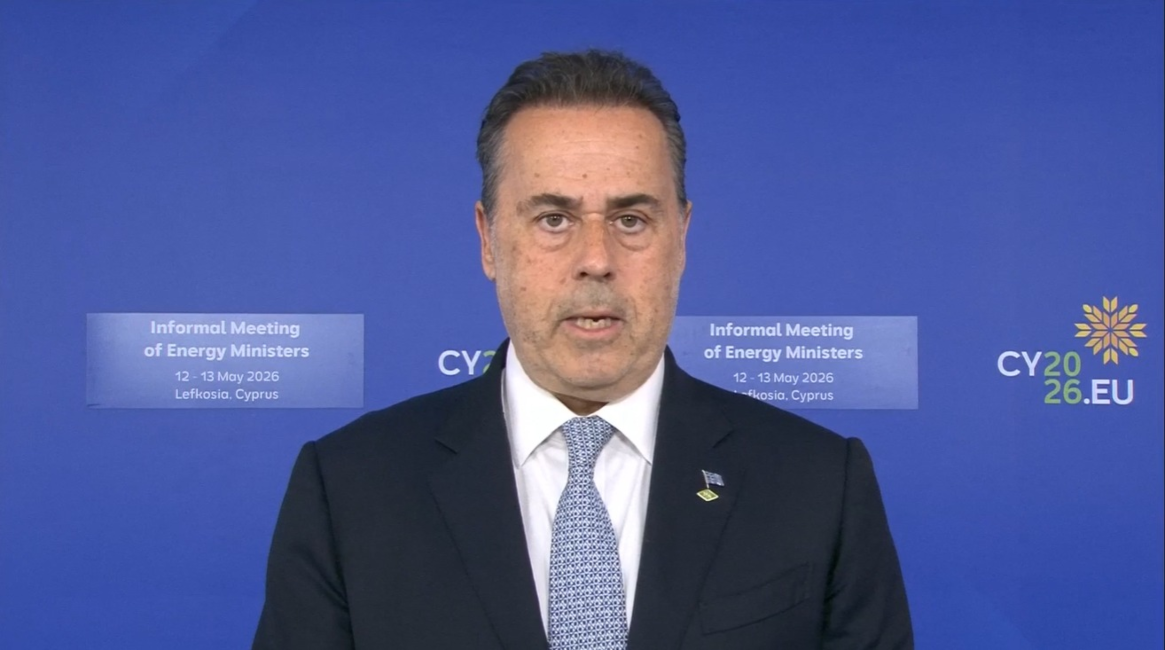

The Bigger Signal: Greece Quietly Reopens the Natural Gas Debate
Particular attention was drawn to Papastavrou’s remarks regarding the exploitation of national natural gas resources.
“Cyprus is already moving in this direction, and we are following,” he stated — a comment widely interpreted by energy analysts as a clear indication that Greece is once again placing domestic gas exploration and development back on the strategic agenda.
The timing is significant.
As Europe struggles to balance ambitious climate targets with mounting energy-security concerns, several governments are increasingly acknowledging that natural gas may remain a critical transitional fuel for years to come.
Energy market insiders say Papastavrou’s comments reflect a broader effort by Athens to strengthen Greece’s role as a regional energy hub in the Eastern Mediterranean.
Athens Balances Green Transition and Energy Security
The government of Kyriakos Mitsotakis is trying to strike a delicate balance between:
- Europe’s green transition goals,
- the need for affordable and reliable energy,
- and the geopolitical instability spreading across the wider region.
In recent years, Greece has accelerated investments in:
- LNG infrastructure,
- electricity interconnections with Cyprus and Egypt,
- natural gas pipelines,
- and energy storage facilities.
Behind the official narrative of “green transformation,” however, European diplomatic circles increasingly recognize that many countries are reassessing the strategic role of natural gas as an energy-security safeguard.
Europe’s Next Energy Battle
Papastavrou’s intervention reflects Europe’s growing anxiety over one central issue: how to secure affordable, stable and sufficient energy supplies without becoming dangerously dependent on fragile geopolitical dynamics.
And behind the technical discussions about interconnections, grids and energy diversification lies a far more political question:
Who will control Europe’s energy security in the next decade — and at what cost for European citizens?
Source: pagenews.gr
-
Allianz delivers record operating profit in strong start to 2026
-
“Beijing 2026: Trump–Xi Summit in the Shadow of Iran and Strategic Fracture”
-
Turkey: “Blue Homeland” Dispute, Accusations Against Greece, and New F-35 Tensions with the US
-
“Europe Needs Bigger Banks and Champions” — Pierakakis Pushes for Deep EU Integration with Letta
-
“Big Brother” Tax Watch: Greece’s Tax Authority to Monitor Every Cash Register Transaction Live
-
“Greece and Cyprus Form Unified Front: Message of Deterrence and EU Awakening”